21 Nov 2026
Shifts in Engagement Patterns Triggered by Multiplier Implementations in UK Online Slots
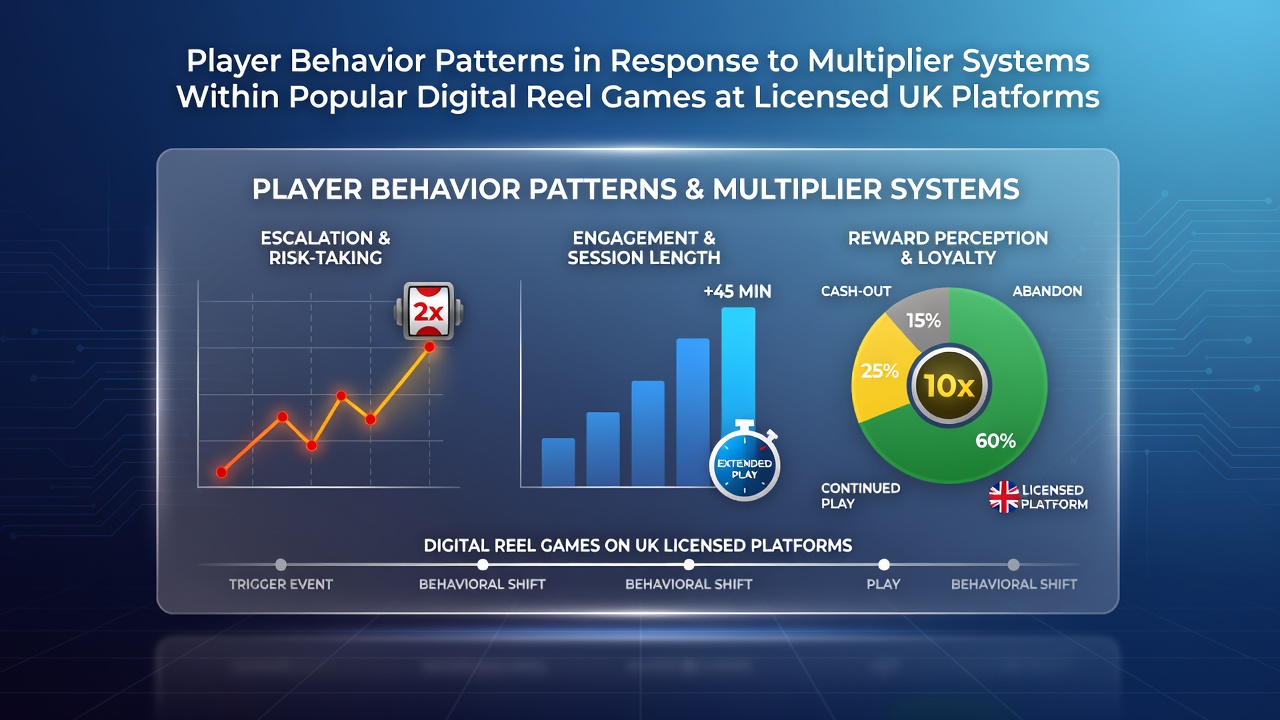
Multiplier systems in digital reel games operate through various mechanics that scale winnings based on specific triggers, and data from licensed UK platforms reveals distinct patterns in how players adjust their strategies when these features activate, while researchers from the University of Nevada have documented similar trends across international markets through long-term tracking studies.
Players frequently extend session durations once multipliers exceed a threshold of 5x, according to aggregated platform analytics, yet they also demonstrate a tendency to reduce bet sizes in anticipation of those same triggers, creating a cycle where initial caution gives way to sustained activity once the feature engages.
Core Mechanics Driving Behavioral Adjustments
Reel games incorporate multipliers through stacked symbols, cascading sequences, and progressive accumulators, and these elements prompt observable changes in player pacing as individuals pause more often during base spins while accelerating decisions in bonus rounds where multipliers compound rapidly, with evidence from multiple operator reports confirming that such pauses correlate with higher retention rates across thousands of accounts.
Those who study these interactions note that free-spin multipliers produce the strongest response, prompting players to switch between games until they locate titles offering stacked multiplier potential, although session data indicates this search behavior typically lasts fewer than three rotations before commitment occurs.
Session Length and Bet Variation Trends
Platform metrics collected through November 2026 show that average session length increases by approximately 22 percent when multipliers appear within the first 50 spins, and players maintain this elevated engagement even after the initial multiplier window closes, provided the game continues to display multiplier-related symbols in subsequent play.
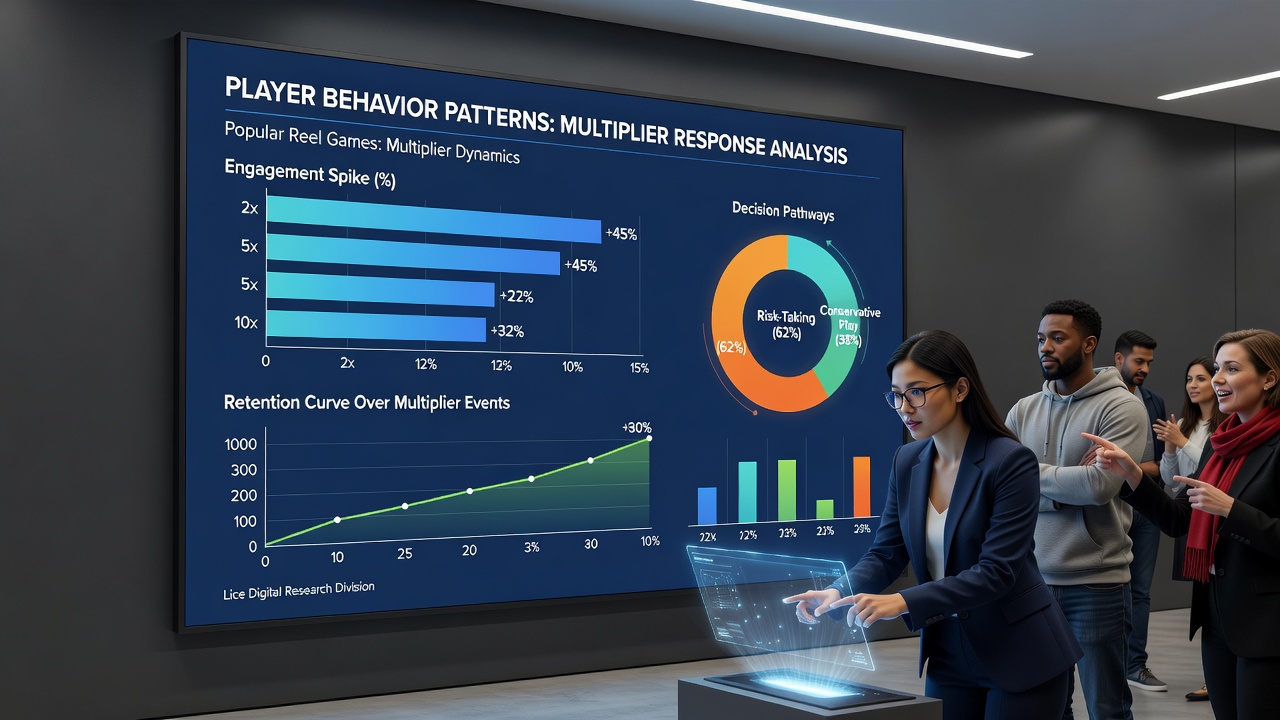
Bet variation follows a predictable arc where stakes rise modestly during multiplier build-up phases and then stabilize or decline once the multiplier resolves, creating a pattern that industry analysts at the Canadian Gaming Association have linked to risk calibration rather than impulsive escalation.
Comparative Responses Across Game Categories
High-volatility titles featuring infrequent but large multipliers generate shorter, more intense sessions compared with medium-volatility games that deliver smaller multipliers more regularly, and observers tracking these differences report that players migrate between volatility levels within the same platform rather than abandoning the site entirely when one category fails to deliver expected multiplier frequency.
Research published by the European Gaming Institute further indicates that cluster-based multiplier systems elicit quicker decision-making than traditional payline multipliers, with click-through rates on autoplay functions rising noticeably once clusters begin to form on screen.
Platform Data and External Correlations
Licensed operators compile anonymized logs that demonstrate multiplier visibility directly influences deposit frequency, and cross-referencing with academic datasets from Australian regulatory archives reveals parallel patterns where players in other jurisdictions exhibit the same visibility-driven deposit spikes within 24 hours of multiplier exposure.
What's interesting is how these patterns persist across age groups, although younger cohorts show faster adaptation to new multiplier variants while older players maintain consistent bet-sizing habits regardless of multiplier size.
Conclusion
Player behavior in response to multiplier systems follows measurable trajectories that combine extended play, adjusted staking, and selective game switching, and continued monitoring through November 2026 and beyond will likely refine these observations as platforms introduce additional multiplier variants. Data from diverse regulatory and academic sources continues to support these findings, offering a clearer picture of engagement dynamics without relying on speculation.